Southern Spain
One good turn deserves another. Two Spain trips deserves a third. After the two [1, 2] successful back-to-back trips to Spain last summer, we decided to kick start 2026 with a third trip to knock of what was left of the mainland. The result was an epic road trip across Southern Spain. As we are early risers, most of this epicness happened in pitch darkness. We usually hit the road at 6 a.m. and the sun doesn’t rise here till past 8:30 in winter, thanks to Franco hitching the time zone to Germany during the heights of the Second World War.
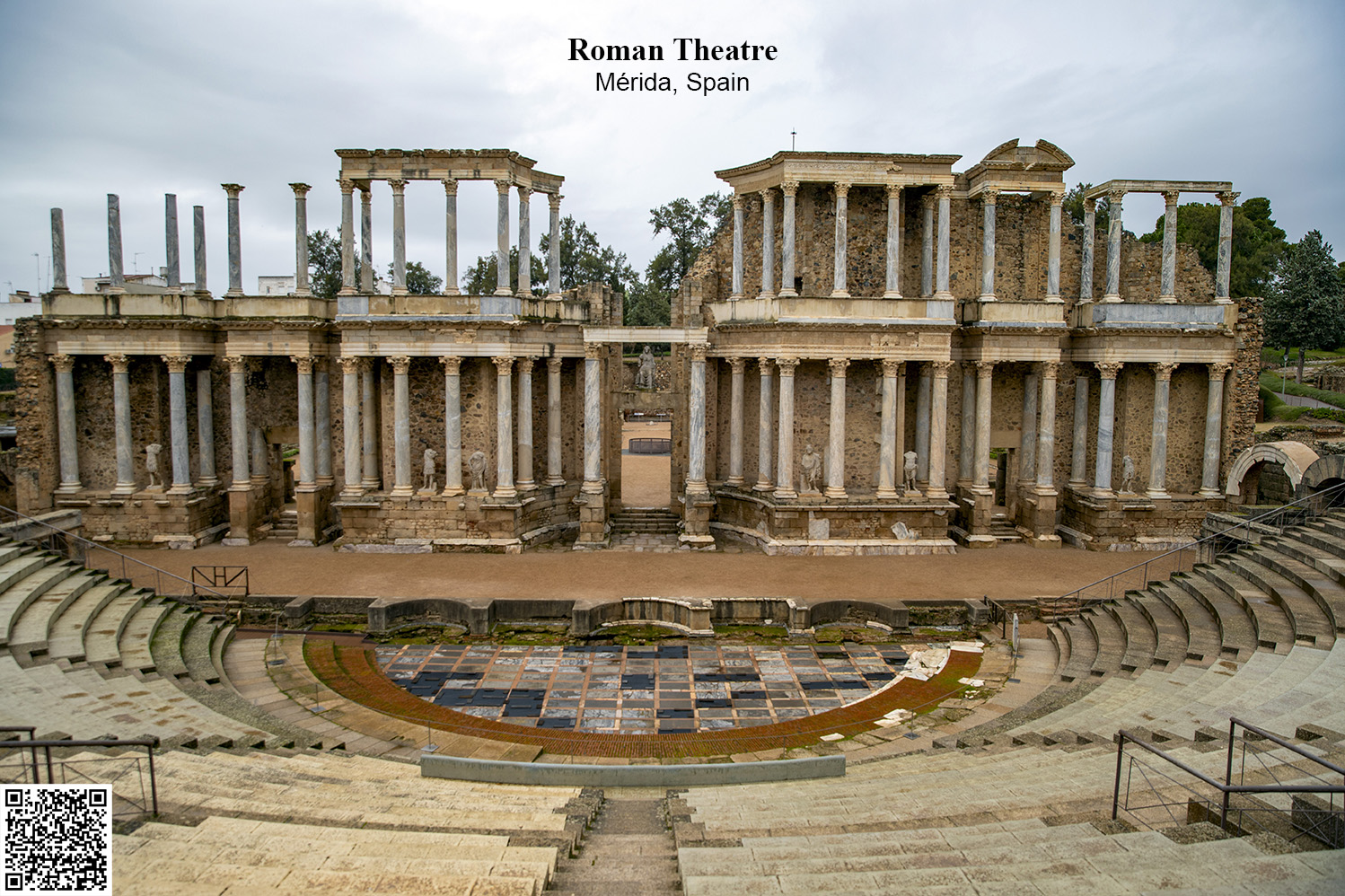
The first pitch-dark drive brought us to Trujillo at daybreak on day one. Here is where another Francisco (with an apellido Pizzaro) was born in 1478. In 1509, he set sail to the New World and in 1532, he captured the emperor Atahualpa at the Battle of Cajamarca bringing an end to the Incan Empire and completing the Spanish conquest of Peru. A bronze equestrian sculpture of him occupies the prime location at the main plaza of his hometown. A short drive away is the UNESCO World Heritage city of Cáceres, the honour conferred on it thanks to the city's blend of Roman, Moorish, Gothic and Renaissance architecture. After spending an enjoyable hour roaming the city centre, we spent the next driving to the main destination of the day: Mérida. Mérida was founded as Augusta Emerita in 25 B.C. to house the veteran soldiers of the Roman conquest of Iberia. Emerita means "retired" in Latin and the phrase "Professor Emeritus" comes from it. Mérida eventually grew into one of the largest cities of Hispania and the capital of the province of Lusitania. And it has grand ruins to show for it. Its Roman Bridge is the longest surviving one from antiquity, its theatre is one of the best preserved in entire Europe and its Temple of Diana is a stride-stopper.
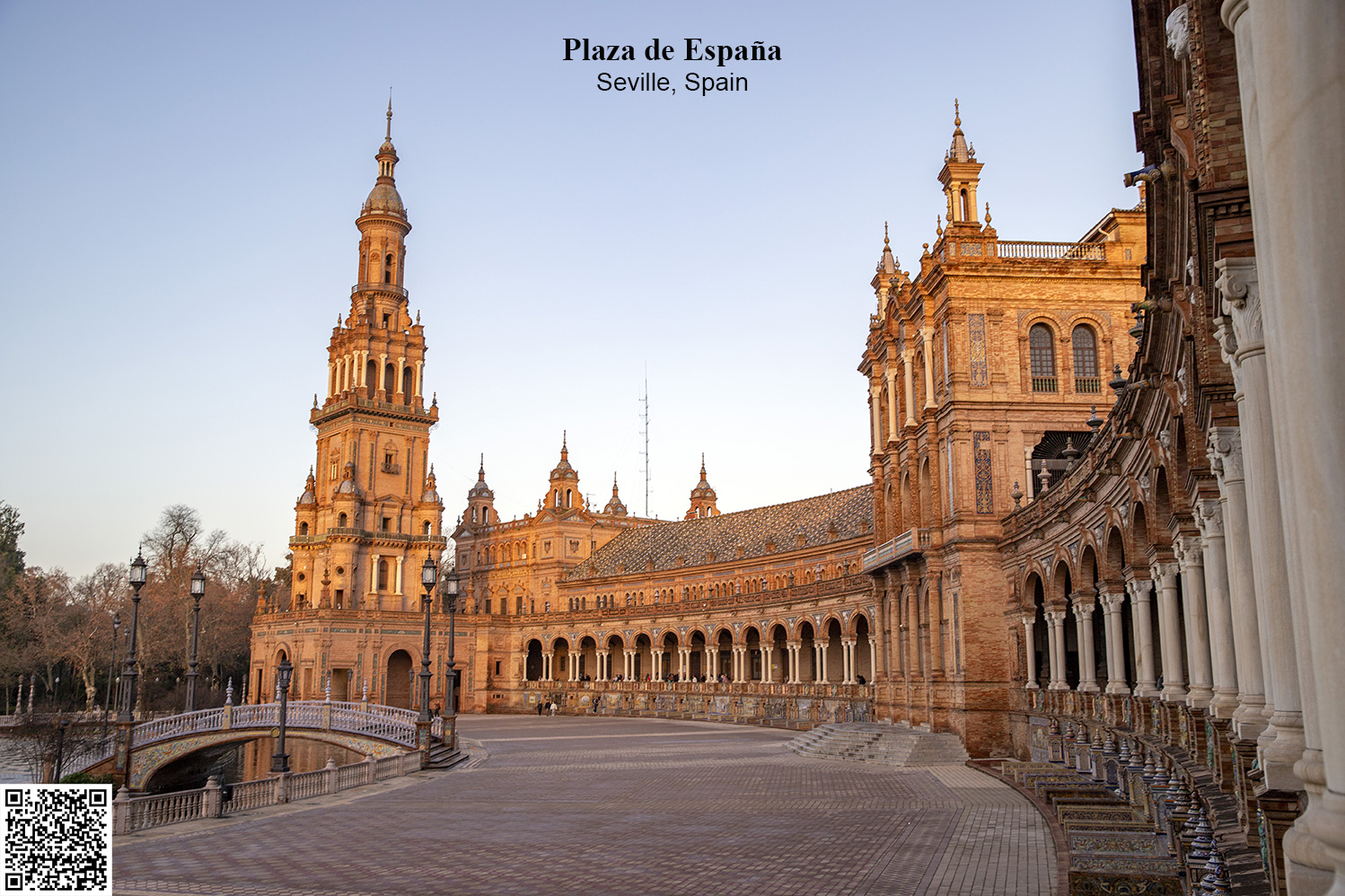
The sunrise on the second day found us at the emblematic Plaza de España in Seville. Seville, like most cities on the southern coast, was found by the Phoenicians. They were here by the 8th century B.C. and the Romans eventually pushed them out after the Punic Wars. Plaza de España is much more recent by comparison. Built in 1928 it is not even a century old, but sure is a fantastic place to witness the sunrise. The Umayyad Caliphate of Córdoba collapsed in the early 11th century and split into numerous Taifas. When the Christians started conquering them one by one, they invited the Almoravids, who instead of saving them, conquered them and set shop in Iberia. Almohads soon took over and they made Seville their capital and built its grand mosque. That mosque was converted to a cathedral after Ferdinand III's conquest of Seville. Today, it is the largest Gothic Cathedral on the planet and the fourth overall after the Vatican, São Paolo and Córdoba. The nearby Alcázar started off as a fort built by Abd-ar-Rahman III in the 10th century. In the 14th century, the fort got a major facelift when Pedro I of Castile built a palace in its premises. He was a big fan of all things Moorish and built a palace exclusively in the Mudéjar style instead of the prevailing Gothic one.
These three sites: Plaza de España, the Cathedral and the Alcázar are the top three sites in Seville. We started our day at the first two and ended the day at the third. In between, we managed to rush through the ornate Iglesia Colegial del Salvador, the quirky Metropol Parasol (a mushroom shaped contraption built to lure tourists away from the overcrowded centre), the two fantastic 15th century palaces: Palacio de las Dueñas and La Casa de Pilatos and the Archivo General de Indias (which despite its name has nothing to with our country, but an archive of the documents pertaining to the Spanish Empire in the Americas).
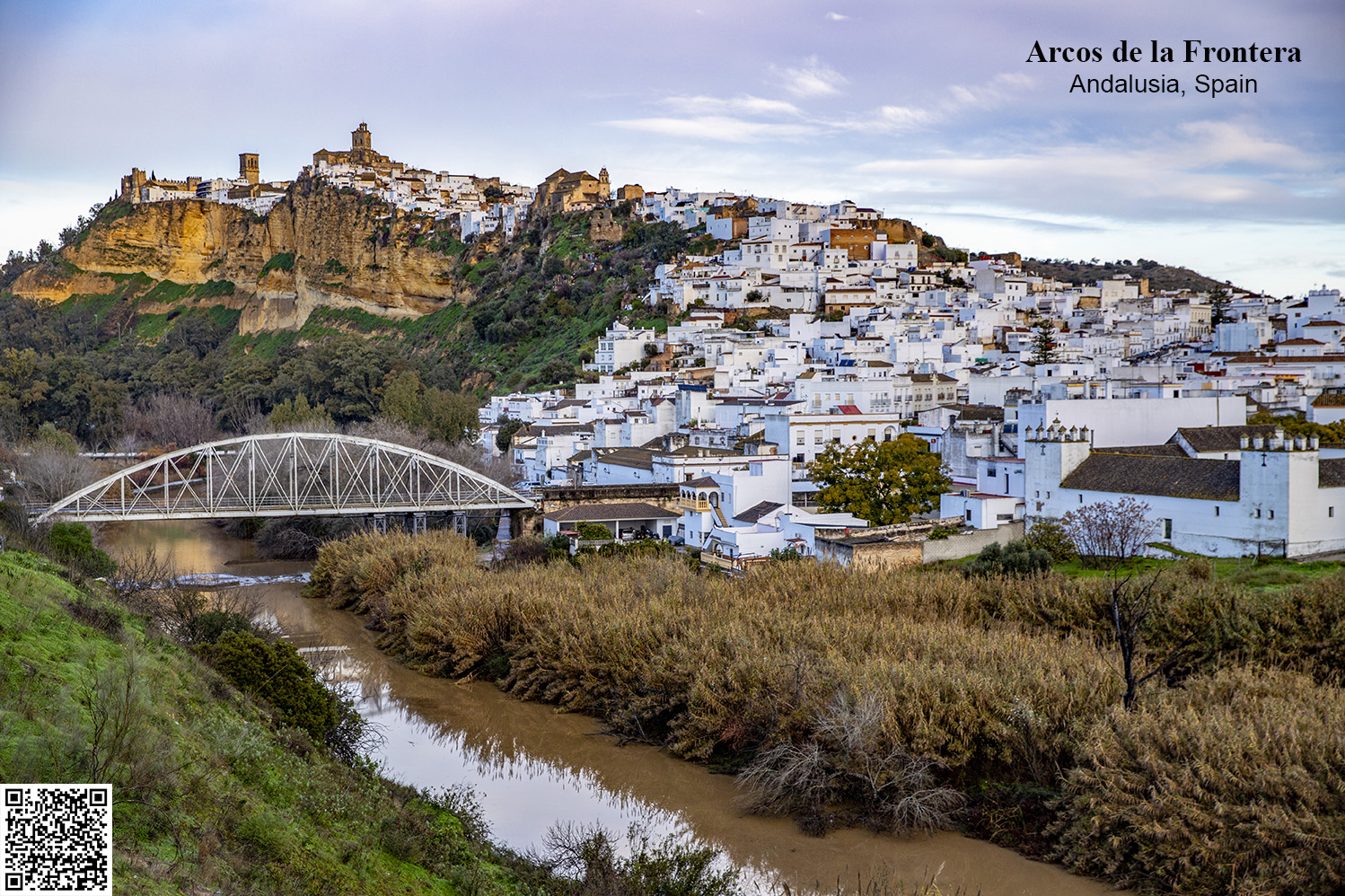
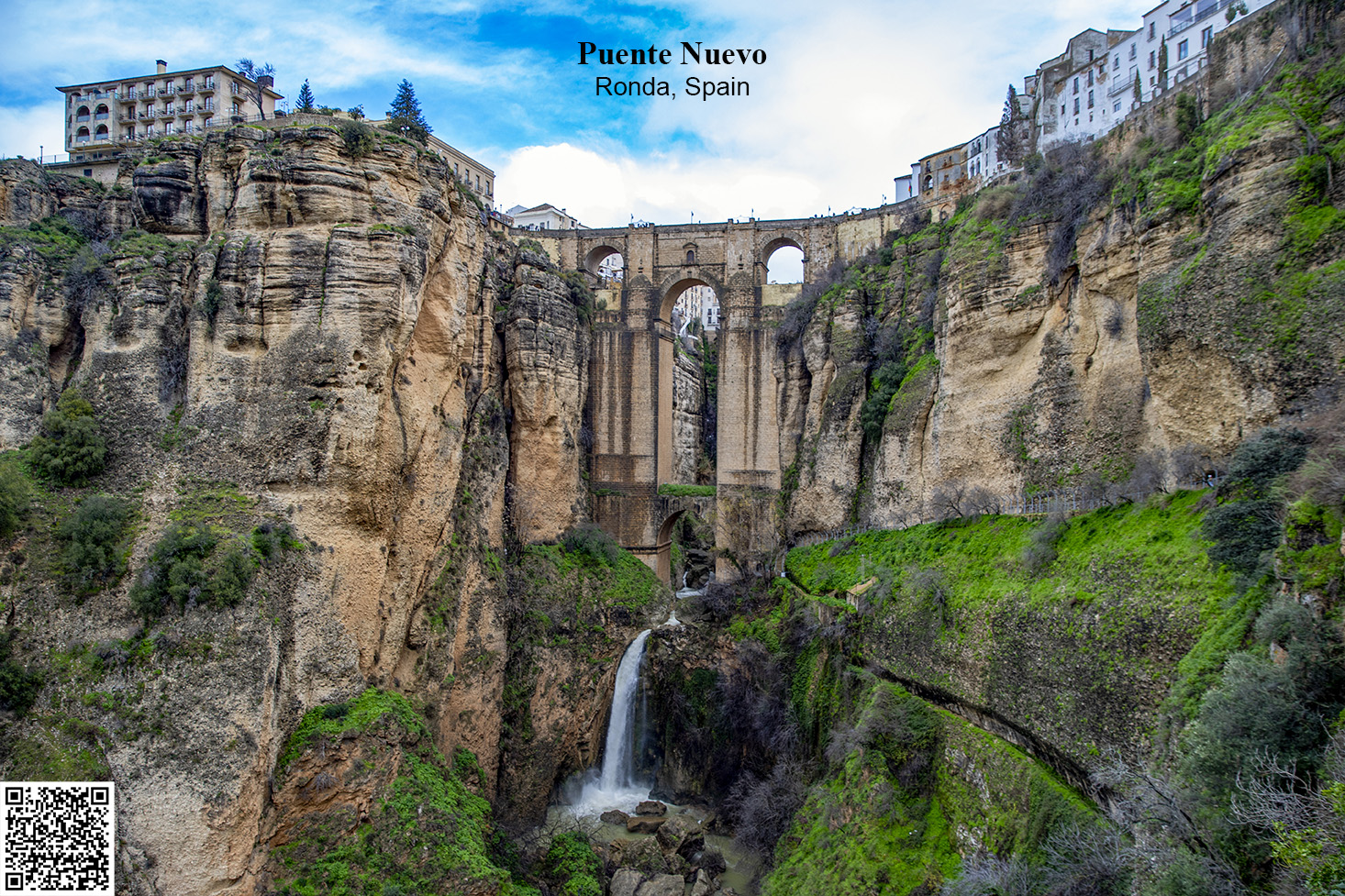
The agenda for the third day was to drive one of the top scenic roads of the country, one that winds past the famous Pueblo Blancos / White Villages of Andalusia. No one knows the original reason why they were painted in gleaming white and there are heaps of them on this route. The route starts at Cádiz and that's where we were at sunrise. After a brief pee-cum-photo stop, we started our scenic drive. We only had time to stop at two of these famed villages: Arcos de la Frontera and Ronda. The former is the most photogenic of all the villages and the later houses the dramatic Puente Nuovo, a "new" bridge built in 1793 spanning the 105 m deep gorge cut by the Guadalevín river. All that hurry was to reach our night stop, Málaga with some daylight to spare.
Málaga is another coastal city founded by the Phoenicians in the 8th century B.C. and taken over by the Romans after the Punic Wars. The city has no remnants of note from the Phoenician times, but has a sumptuous theatre from the Roman times. On top of the hill behind the theatre stands the Alcazaba, an ancient Phoenician Fort turned into a Roman villa turned back into a fort when Málaga became an independent Taifa. Later, when the Nasrids of Granada took over, it also got one of their signature palaces. Further along the ridge is the highest point in the city, the Gibralfaro offering dizzying 360 degree views of the surroundings. Apart from this top three, the city has its obligatory cathedral and a couple of worthy museums: one housing Picasso's art (he was born here in Málaga) and a branch of the Centre Pompidou.
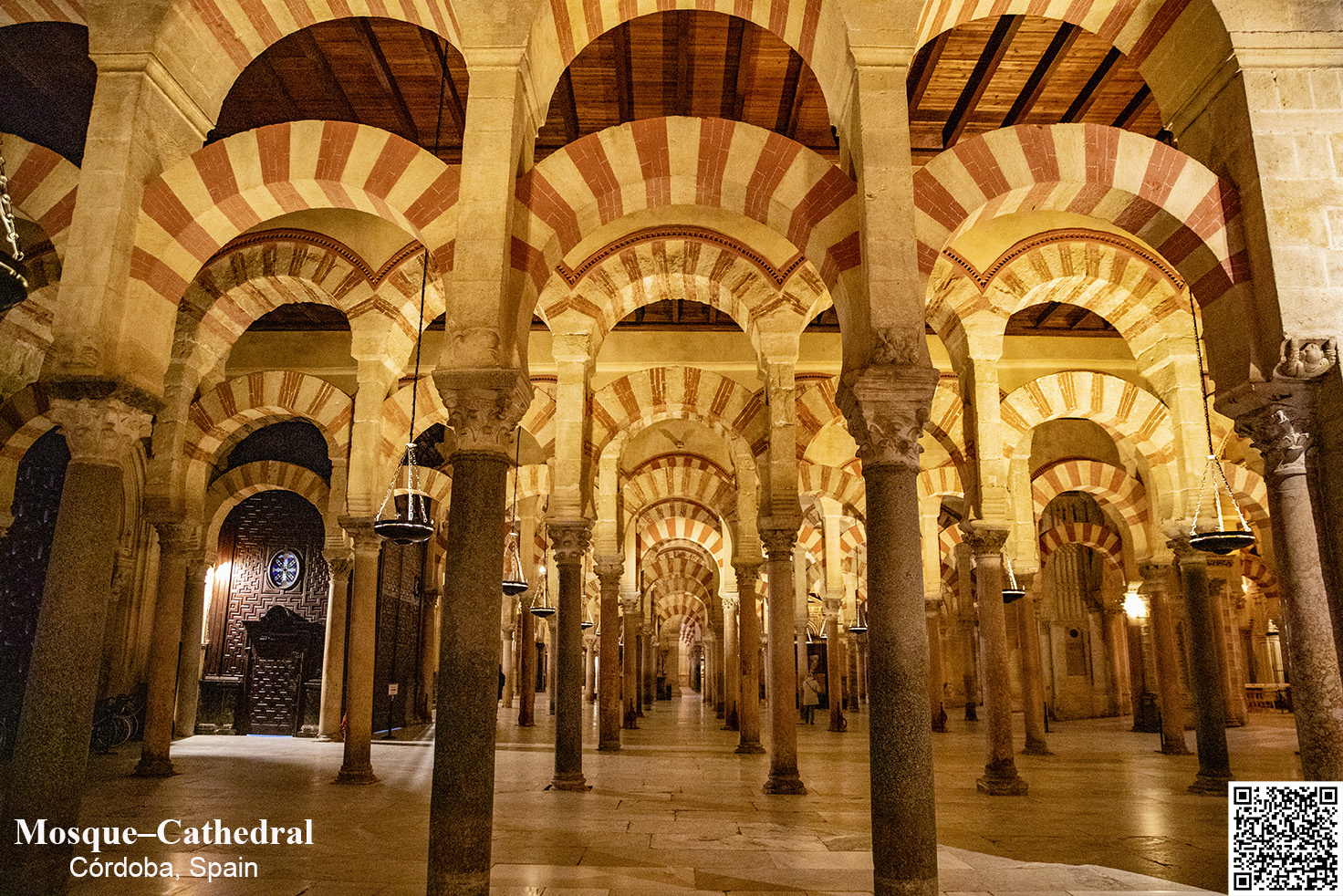
On the following daybreak we were in Córdoba, the first capital of the first Islamic state in Iberia. The first Umayyad Emir Abd-ar-Rahman I immediately set upon building the first mosque. The famed banded arches represent the palm trees of his beloved Damascus that he was nostalgic about. The mosque was expanded by the subsequent emirs till it reached the current dimensions by the end of Almazor's reign. In 1236, Córdoba was conquered by King Ferdinand III of Castile and he immediately converted it to a cathedral. Unlike other places where the cathedral eventually replaced the previous mosque erasing all traces of the former edifice, the original design is left largely untouched here in Córdoba resulting in one of the most unique cathedrals on the planet.
In the beginning of 10th century Fatimids took over Egypt and proclaimed a new Caliph to rival the Abbasids in Baghdad. If we can have two rival Caliphs, why not three? So wondered Abd-ar-Rahman III and decided to proclaim himself a Caliph and upgraded the Emirate of Córdoba to the Caliphate of Córdoba. A new Caliph needs a new palace worthy of his position. The resulting Medinat-al-Zahra now sits in the outskirts of Córdoba. The Caliphate soon fell apart after Abd-ar-Rahman’s demise and the new city-palace was left in ruins. But whatever remains is a great window to get a glimpse of the heights of the Islamic rule in Iberia. Apart from the Mosque and the palace, Córdoba also has a two millennia old Roman bridge (yes, the show-off Romans were here as well) and a wonderful labyrinthine Juderia (the old Jewish quarters) where losing oneself is one of the great perks of travelling.
The following day, we took the slow route to Granada stopping by some of the lesser known towns of Andalusia. The first was a fort - Burgalimar is its name - built in 967 A.D. by the second Caliph of Córdoba, Al Hakam II. As we were there at daybreak, we couldn't do much other than photograph it from far and move on. The next two towns - Úbeda and Baeza - form a single UNESCO World Heritage Site. Pedro I (who built the palace complex in Seville's Alcázar) soon got pulled into a civil war and this war utterly destroyed these two towns. What you see today is entirely from the 16th century reconstruction. These cities were rebuilt in the prevailing Renaissance style. Unlike the other towns which is a mish-mash of everything from ancient Roman to contemporary, these two towns have an uniform architecture. The main squares of Úbeda and Baeza were so good that they could impress us even after the heights of Seville and Córdoba.
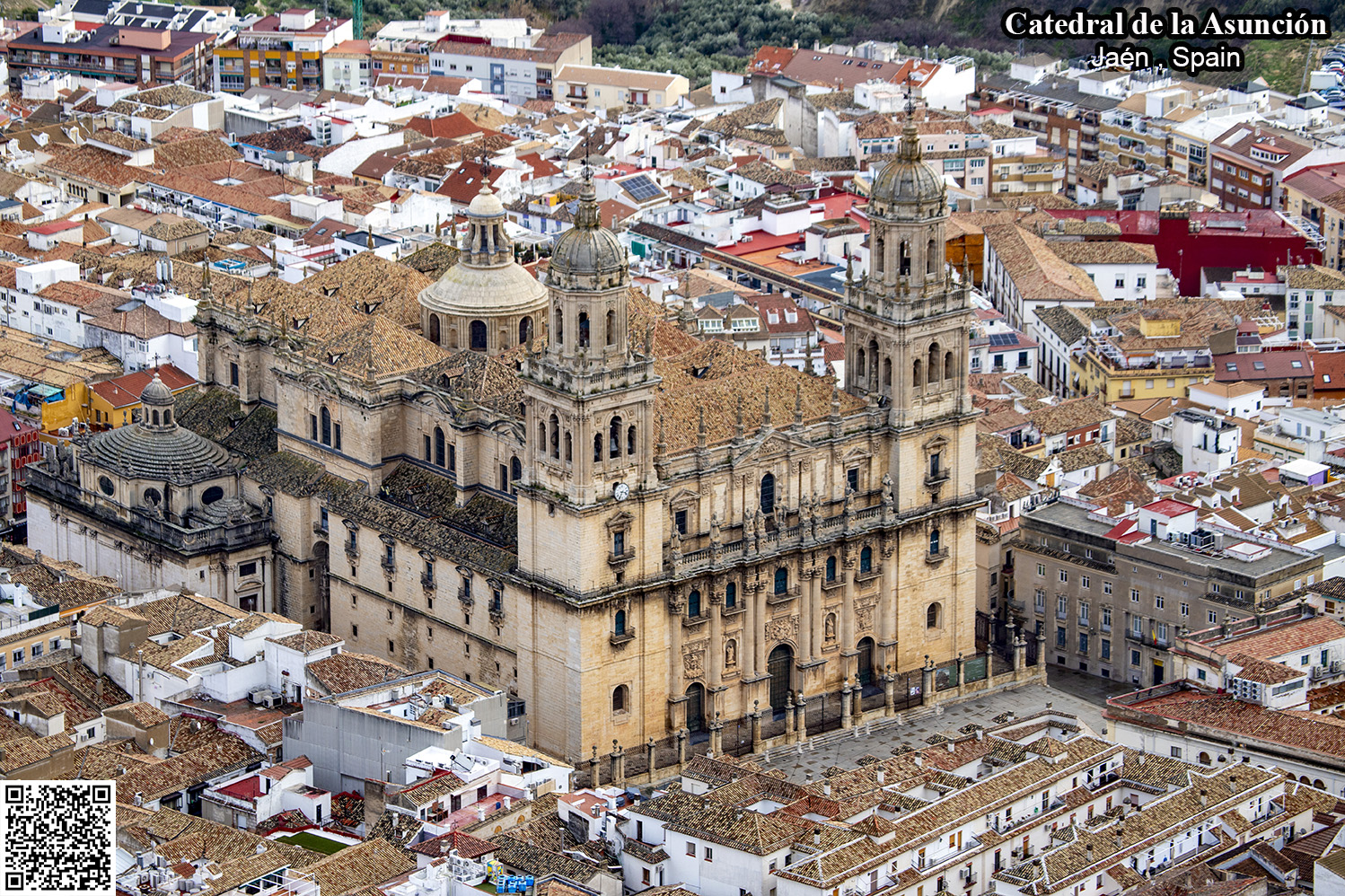
Disaster found us before we could reach the third town of the day. Half way between Baeza and Jaén, the driver side tyre went pop and we had to pull to the side. We got to witness the efficient European roadside assistance. Within two hours we were picked up and were given a replacement car. The taxi driver that ferried us gladly showed us around his hometown Jaén. The best monument here is the city's cathedral. Built in the 16th century, it is one of the finest examples of Spanish Renaissance and its best view is from the top of the Castillo de Santa Catalina, an 8th century Moorish fortress expanded over the years by the subsequent dynasties.
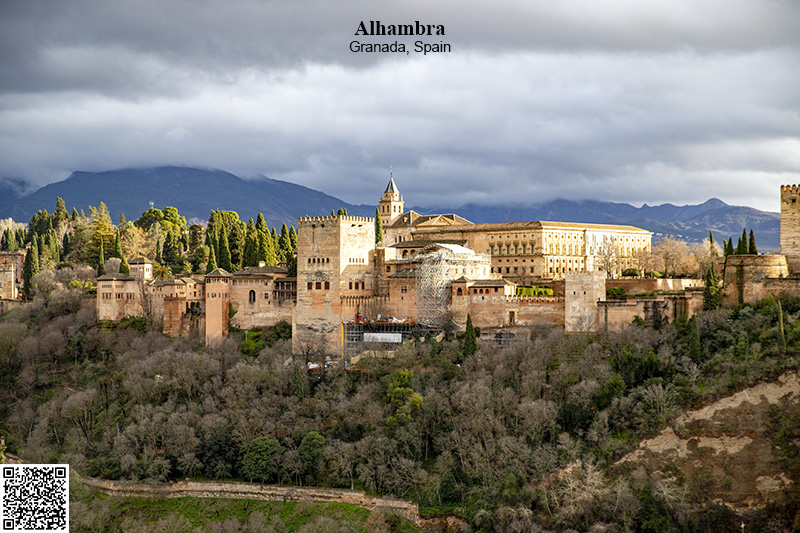
We started the following day at the grandest monument in all of Andalusia, its Alhambra. The last Islamic state in Western Europe was the Emirate of Granada which lasted from 1232 to 1492. The Nasrid dynasty that ruled over it built themselves a sumptuous palace that occupies one corner of Alhambra. The delicate columns, the ornate ceilings and the cozy patios were indescribably pretty. Hope the trip video below manages to showcase the monument better than my inadequate words. Alhambra is much more than just the Nasrid Palace. It houses an Alcazaba (an imposing fortress), a 16th century Renaissance Palace of Charles V, and the Generalife (corruption of Arabic Jannat-al-arif - summer palace gardens of the Nasrids). Three hours and three thousand steps later, we finally walked out hoping to catch some breath. Our hopes were soon dashed by an array of Christian monuments of the city.
When the Catholic Monarchs took over Granada, it was nearly the 16th century, the era of Spanish Baroque where the over the top exuberance was the style of the day. The city's cathedral was our first stop. Its Royal Chapel, the final resting place of the Catholic Monarchs and the magnificent main altar was a good introduction to the flowery Baroque style. The next three monuments: the Monasterio de San Jeronimo, the Basilica San Juan de Dios and the Monasterio de la Cartuja had the floweriness and the exuberance cranked up to their maximum. Not an inch was left unsculpted in their interior and like a fractal, no matter how long you stared at a corner, you will end up finding hitherto unnoticed detail. In between all these sensory attacks, we managed to walk up, down, in, out, through and around the Albaicín, the historic Nasrid era neighbourhood and Granada's answer to Córdoba's Juderia.
The following day, we left Andalusia and drove into Murcia. The first stop was its main city, also named Murcia. The Baroque exuberance were all confined to the interiors in Granada. In Murcia, it stares you down in the open. The western façade of the cathedral is a text book example of the Spanish Baroque. The nearby Real Casino, a social club dating from 1847, has managed to mix Baroque with Neo Mudéjar and is definitely worth checking out. After this brief dekko in Murcia, we reached Cartagena by lunchtime. After their loss to Rome in the First Punic War, the Carthaginians needed a safer home away from Rome and they chose Iberia. Their general Hasdrubal founded Qart Hadasht (which just means 'New City' in Phoenician). It was from here that his brother Hannibal launched his famous attack on Rome. And in response, Scipio Africanus besieged it and conquered it in 209 B.C., renaming the city as Carthago Nova (or New Carthage). Thanks to this history, Cartagena has at least some evidence of its Phoenician past - few metres of the famed Punic Wall still stand in the middle of the city. Predictability, the evidence of Roman occupation is all over. Decumanus and Cardo crisscross modern streets like no tomorrow. The Roman Forum with its Thermal Baths and Temple of Isis form the largest urban archeological park in the country. The icing, of course, is the grand theatre where you can spend many hours just sitting and contemplating.
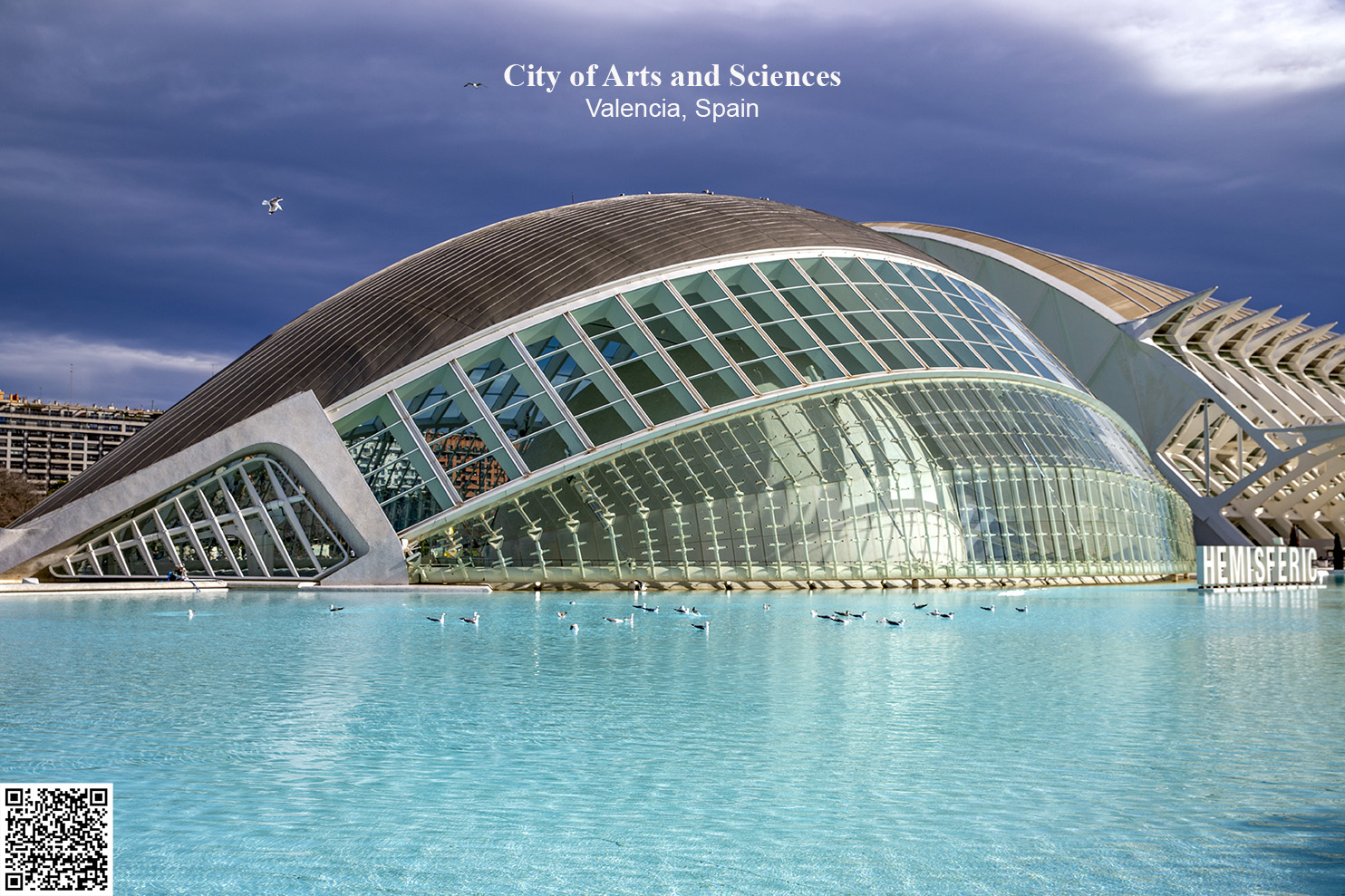
We spent the final full day of the trip in Valencia and we started at the lively Mercat Central where the colourful array of paella plates reminded us to order one for dinner - Valencia, after all, is where the dish was invented. We then headed to a defunct market: La Lonja de la Seda, the erstwhile Silk Exchange of the city, the highlights of which were the grand Columned Hall and the ornate ceiling at the Consulate Pavilion. The architecture overload continued at the City of Arts and Sciences where Santiago Calatrava and Félix Candela have conjured up some of the iconic buildings of the 20th century. The Cathedral (a fine example of Valencian Gothic, with its two famous gates – Gate of the Apostles and the Door of the Irons), the Palacio del Marqués de Dos Aguas (a palace with splendid Rococo interiors), Torres de Serranos (one of the three original gates into the ancient city), the wonderful bridges across the Turia and the San Nicolas de Bari (Spain's answer to Vatican's Sistine) occupied us for the rest of the day.
Last day of the trip was finally upon us. If we drive straight we would be at the airport a good twelve hours before the flight and we might get arrested for being squatters. To avoid such unpleasantness, we took a detour to Cuenca, a city founded around the 8th century by the Muslims invaders. The whole town is placed precariously on a cliff and the view from the panoramic view point is quite dramatic. The three most precariously placed edifices form the famous Casas Colgadas (Hanging Houses of Cuenca). The city's cathedral is the oldest Gothic church in Spain. The perch of the Convent of San Pablo can rival Meteora. The city is a text book example of a medieval fortress town, the best preserved in all of Spain. Thanks to all this, it is an UNESCO World Heritage Site.
We have now spent four weeks in Spain across the three trips we have made here. Over these thirty days, we were amazed by her Cathedrals, dazzled by her opulent palaces, satiated by her churros, paellas and Cola Caos, touched by her warm hearted people, rejuvenated in her grand plazas, mesmerised by her spectacular architecture that spans everything from Gothic to Gaudí and learnt to converse a bit in her melodic tongue. And for all that we would like to thank her from the bottom of our hearts.
|
Click here for more photos from Extremadura.
Click here for more photos from Cuenca.
Click here for more photos from Seville.
Click here for more photos from Granada.
Click here for more photos from the rest of Andalusia.
Click here for more photos from Murcia & Valencia.
|
|
|
|
|